- Home
- Personal Finance
- Shopping
- Groceries
Smart-shopping expert Trae Bodge shares tips on saving at the grocery store.
 By
Kerri Anne Renzulli
published
9 April 2026
in Features
By
Kerri Anne Renzulli
published
9 April 2026
in Features
When you purchase through links on our site, we may earn an affiliate commission. Here’s how it works.
- Copy link
- X
Profit and prosper with the best of Kiplinger's advice on investing, taxes, retirement, personal finance and much more. Delivered daily. Enter your email in the box and click Sign Me Up.
Contact me with news and offers from other Future brands Receive email from us on behalf of our trusted partners or sponsors By submitting your information you agree to the Terms & Conditions and Privacy Policy and are aged 16 or over.You are now subscribed
Your newsletter sign-up was successful
Want to add more newsletters?

Delivered daily
Kiplinger Today
Profit and prosper with the best of Kiplinger's advice on investing, taxes, retirement, personal finance and much more delivered daily. Smart money moves start here.
Signup +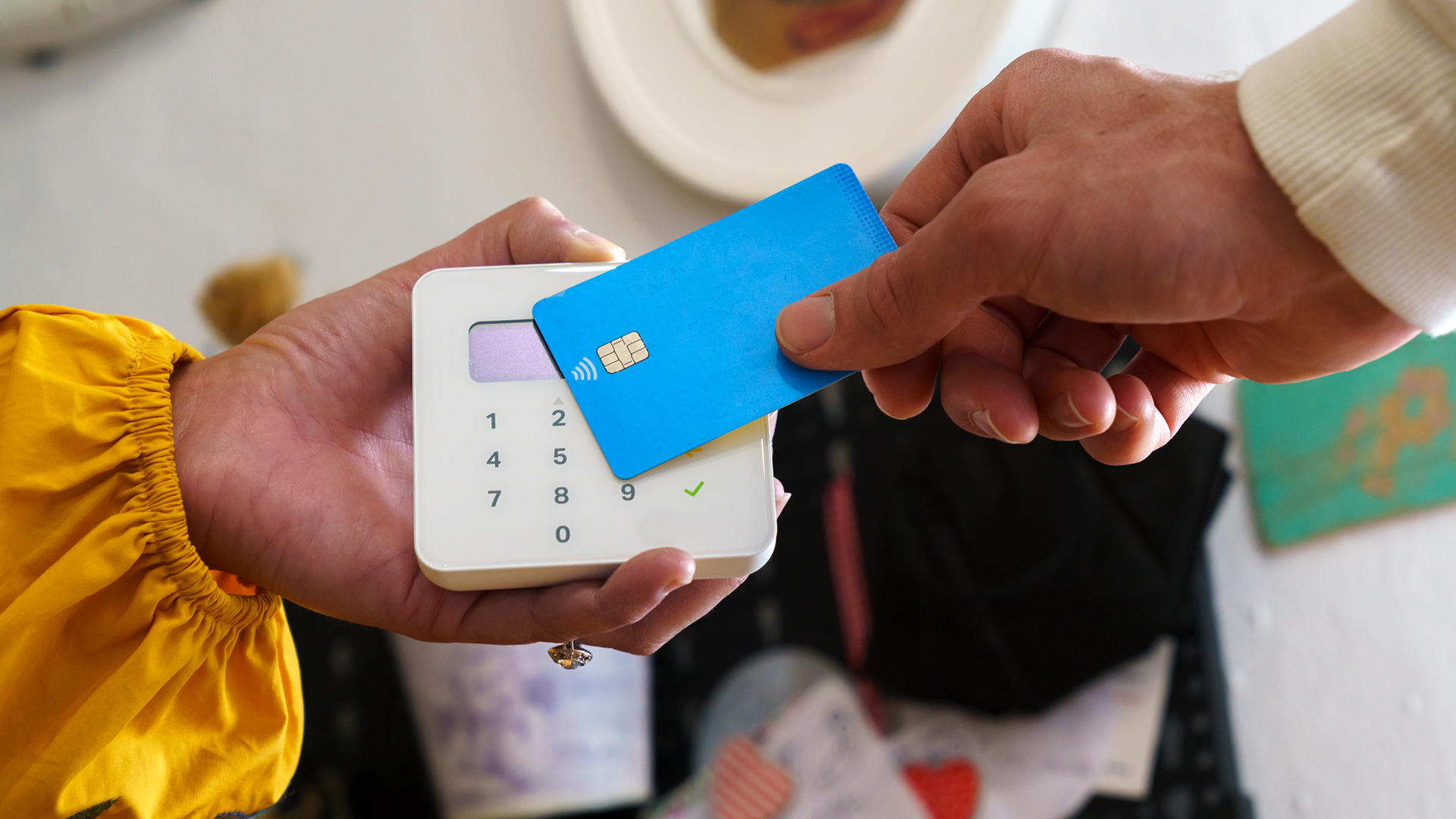
Sent five days a week
Kiplinger A Step Ahead
Get practical help to make better financial decisions in your everyday life, from spending to savings on top deals.
Signup +
Delivered daily
Kiplinger Closing Bell
Get today's biggest financial and investing headlines delivered to your inbox every day the U.S. stock market is open.
Signup +
Sent twice a week
Kiplinger Adviser Intel
Financial pros across the country share best practices and fresh tactics to preserve and grow your wealth.
Signup +
Delivered weekly
Kiplinger Tax Tips
Trim your federal and state tax bills with practical tax-planning and tax-cutting strategies.
Signup +
Sent twice a week
Kiplinger Retirement Tips
Your twice-a-week guide to planning and enjoying a financially secure and richly rewarding retirement
Signup +
Sent bimonthly.
Kiplinger Adviser Angle
Insights for advisers, wealth managers and other financial professionals.
Signup +
Sent twice a week
Kiplinger Investing Weekly
Your twice-a-week roundup of promising stocks, funds, companies and industries you should consider, ones you should avoid, and why.
Signup +
Sent weekly for six weeks
Kiplinger Invest for Retirement
Your step-by-step six-part series on how to invest for retirement, from devising a successful strategy to exactly which investments to choose.
Signup + An account already exists for this email address, please log in. Subscribe to our newsletterTrae Bodge is a smart-shopping expert. Find additional savings tips at her website. Here, she tells Kiplinger Personal Finance Magazine about her favorite grocery hacks to keep prices low, plus where she thinks grocery prices are headed.
Q: With grocery prices up nearly one-third since 2020, food costs have become a major pain point for most Americans. Do you see prices coming down or moderating this year?
While I see prices stabilizing — barring a weather pattern that affects crops or an illness amongst animals — unfortunately, prices aren't likely to come down anytime soon. So it's important for shoppers to get into the habit of using savings tactics. You don't need to become an extreme couponer or do anything complicated to save. There are lots of little steps you can take that can be quite impactful over a year of shopping.
From just $107.88 $24.99 for Kiplinger Personal Finance
Become a smarter, better informed investor. Subscribe from just $107.88 $24.99, plus get up to 4 Special Issues
CLICK FOR FREE ISSUE
Sign up for Kiplinger’s Free Newsletters
Profit and prosper with the best of expert advice on investing, taxes, retirement, personal finance and more - straight to your e-mail.
Profit and prosper with the best of expert advice - straight to your e-mail.
Sign up

Q: What tools can shoppers use to learn about sales or increase their savings?
Download your favorite grocery stores' apps. They often have special coupons or promotions available and will alert you to sales. They also use artificial intelligence in a helpful way by serving up offers based on how you shop. You may get a notification when your favorite cereal is on sale, for example.
If you buy groceries online, I also recommend installing a couple of browser extensions, such as CouponCabin, Rakuten or PayPal Honey, which search for available cash-back or discount codes and automatically apply them when you check out.
Another potentially useful app is Flashfood, which partners with retail and grocery stores to help them sell surplus items. You can save up to 50% on overstock items you order with the app and then pick up from a local store.
With the Fetch app, you can scan your grocery receipts to earn points that can be redeemed for gift cards.
Q: Do you recommend using rewards credit cards at the supermarket?
I always shop with the credit card I own that offers the best points or cash back for groceries. As an Amazon Prime Visa cardholder, for example, I use that card at Whole Foods because it pays 5% cash back there. That's 5% I'm getting back on purchases I was already making.
The PayPal Debit Card is fee-free and pays 5% cash back per month in a category you choose, including groceries or restaurants. And the American Express Blue Cash Preferred card may be worth the annual fee ($95) because of its generous benefits — 6% cash back on supermarket spending.

Top Credit Cards for Grocery Rewards
Earning cash back on every grocery trip can help put a little of that money back in your pocket. See Kiplinger's top credit card picks for groceries, powered by Bankrate. Advertising disclosure.
View Offers
Q: What changes can people make to their shopping habits to save more?
A very easy tweak is to look at your grocery list to see if there are any store-brand options that can replace name-brand items.
From my research, you can save between 25% and 40% just by buying the store brand. Often, name-brand and store-brand items are made in the same factories using the same ingredients.
Also, try to buy in bulk, especially if you're a family of more than two. Usually, the larger the quantity, the lower the unit price is. This is where, if you have a Costco, Sam's Club or BJ's membership, you can potentially save a lot.
But don't buy quantities that are too large. That giant tub of microgreens may be an amazing deal, but if it goes moldy before you're halfway through, you've just wasted money.
Q: What items should people avoid buying?
The whole prepared-food category is a no-no in my book. You're paying too much of a premium for convenience. You'll save so much by doing the chopping, washing or whatever yourself.
You could take this a step further by looking at things that you buy regularly that are easy to make. In my house, we make our own hummus and granola. Buying the ingredients and doing the work at home saves us so much money. A nice bag of granola can be $9, whereas I can make a batch twice as big for half the price, and customize it to the exact flavors I want.
I would also avoid nonfood items, things such as beauty products, office supplies, vitamins and supplements. In my experience, other retailers easily beat the pricing at the grocery store.
Note: This item first appeared in Kiplinger Personal Finance Magazine, a monthly, trustworthy source of advice and guidance. Subscribe to help you make more money and keep more of the money you make here.
Related Content
- Walmart Is No Longer the Cheapest Grocery Store — Here's the Chain That Beat It
- Before You Go to Costco, Try This Grocery Strategy First
- Best and Worst Grocery Chains in the US
 Kerri Anne RenzulliSocial Links NavigationContributor
Kerri Anne Renzulli is an award-winning personal finance journalist whose work has been featured in the Wall Street Journal, USA Today, AARP, Newsweek, Money, CNBC, Fortune, Mansion Global and Financial Planning Magazine. She has written about student loans, taxes, banking, retirement planning and other complex financial issues for more than a decade.